
Teach Them Young ❤️

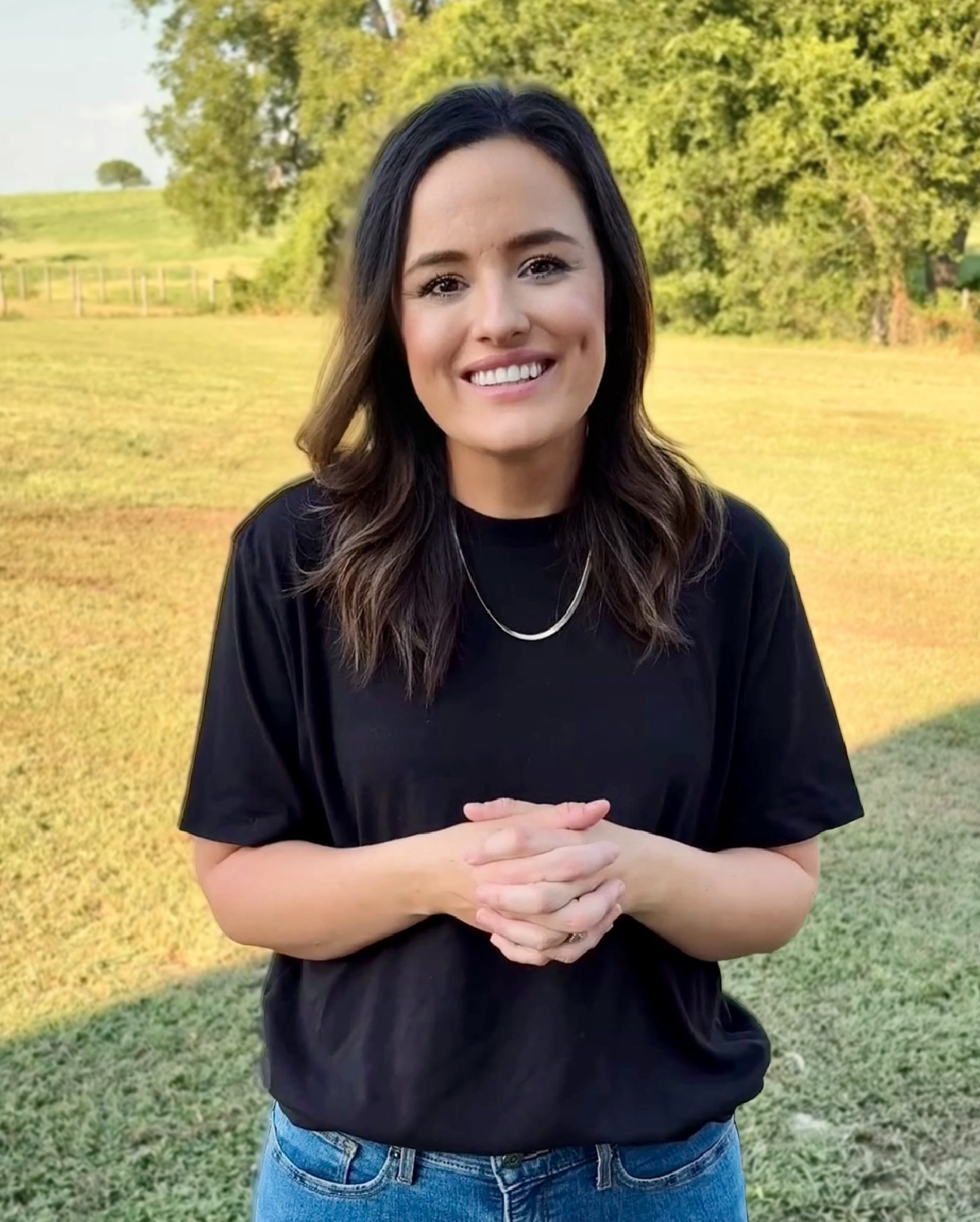
Hadley Morgan • Kids Director
October 29, 2026

6 Minute Read

As a mom of four, there are so many things I want my children to learn as they grow up. I want them to love Jesus, know His Word, be kind to others, and have hearts that reflect His. But one thing I’ve become especially passionate about is teaching our children how to love and understand kids with special needs. This is something very personal to our family because one of our four children has autism. We’ve experienced firsthand the beautiful moments, the hard days, the challenges, and the things that come with raising a child who experiences the world differently. And if there’s one thing I wish more people understood, it’s that there is so much more to a child than what you might see on the outside. Sometimes what looks like misbehavior is really a child struggling to communicate, feeling overwhelmed, or trying to process something that may come easily to others. That’s why I believe it’s so important that we start having these conversations with our children while they’re young. We shouldn’t wait until they’re older to teach them how to understand and love people who may be different from them.

Genesis 1:27 reminds us that every person is created in the image of God. I think that’s such an important truth for our children to understand. Our worth isn’t based on how well we communicate, how quickly we learn, how we behave, or what we’re capable of doing. Our worth comes from the God who created us. Every child has value, every child has purpose, and every child deserves to be treated with love and dignity. When our kids see another child who doesn’t speak, makes different sounds, struggles in a group setting, or doesn’t respond the way they expect, we have an opportunity as parents to teach them something deeper than simply saying, “Be nice.” We can help them understand that everyone experiences the world differently, and just because we don’t understand something doesn’t mean we should be afraid of it or avoid it.

I also think there’s a difference between teaching our children to be kind and teaching them to truly include others. Kindness is important, but Jesus calls us to something deeper. Philippians 2:4 tells us to look not only to our own interests but also to the interests of others. That means learning to recognize the needs of someone else, even when those needs are different from our own. Maybe it’s inviting a child to play even though they can’t verbally ask to join. Maybe it’s being patient when someone needs more time. Maybe it’s understanding that a child who doesn’t want to be touched or hugged isn’t being rude. Sometimes making someone feel included means giving them space, respecting their boundaries, or simply sitting beside them. I don’t want my children to grow up just knowing that they should be nice to people who are different. I want them to understand why every person matters to God.

One passage I keep coming back to is 1 Corinthians 12, where Paul talks about the church being one body with many different parts. In verse 22, he says that the parts of the body that seem weaker are indispensable. I love that word. Indispensable. It means necessary. Not an inconvenience, not someone we make room for only when it’s easy, but someone who belongs. Now, Paul is speaking about the members of the body of Christ, but I believe there’s such an important lesson here for how we value one another within the church. We aren’t all the same, and we don’t all have the same abilities or needs. But every person matters. As the Kids Director at Velocity, that’s something I want to be reflected in our children’s ministry. I want families to know that their children are loved and valued, whether they can sit through an entire Bible lesson, participate in every activity, or need a little extra help and understanding along the way. And I want the children in our ministry to grow up understanding that too.

Parents, I really believe these lessons begin at home. ❤️ Our children are paying attention to how we respond to people, how we talk about others, and what we do when someone is having a hard time. When your child asks why another child doesn’t talk, explain that some people communicate differently. When they see someone having a difficult moment, remind them that we don’t always know what someone else is going through. When they notice someone being left out, encourage them to make room. Don’t be afraid of those questions or conversations. Children are capable of understanding so much more than we sometimes give them credit for, especially when we take the time to explain things with love and patience. Ephesians 4:2 reminds us to walk with humility, gentleness, and patience, bearing with one another in love. Those are things we should be teaching our children, but they’re also things we should be modeling for them every day.

As a mom raising a son with autism, I can tell you that even the smallest acts of understanding can mean so much to a family. Sometimes it’s someone choosing patience instead of judgment. Sometimes it’s another child making an effort to include yours. Sometimes it’s simply knowing that your child is welcomed, even on the hard days. I don’t want people to look at our son and feel sorry for him. I want them to see him as the wonderful boy God created, with his own personality, his own strengths, and his own way of experiencing the world. And that’s what I want for every child who walks through the doors of our church.

Jesus said in Mark 10:14, “Let the children come to me; do not hinder them.” What a beautiful reminder of the heart of Jesus toward children. My prayer is that we would have that same heart, both in our homes and in our church. That we’d raise children who are quick to show compassion, willing to be patient, and intentional about including others. Not because someone told them they have to, but because they’ve been taught from a young age to see people the way Jesus does.

We have an opportunity to shape how the next generation sees and treats others. Let’s not wait until they’re older to start. Let’s teach them now. 💛


Parent Resource:


Up Next
From this Collection: Family & Kids Ministry
October 29, 2026 • 6 Minute Read
Teach Them Young ❤️
As a mom of four, there are so many things I want my children to learn as they grow up. I want them to love Jesus, know His Word, be kind to others, and have hearts that reflect His. But one thing I’ve become especially passionate about is teaching our children how to love and understand kids with special needs. This is something very personal to our family because one of our four children has autism. We’ve experienced firsthand the beautiful moments, the hard days, the challenges, and the things that come with raising a child who experiences the world differently. And if there’s one thing I wish more people understood, it’s that there is so much more to a child than what you might see on the outside. Sometimes what looks like misbehavior is really a child struggling to communicate, feeling overwhelmed, or trying to process something that may come easily to others. That’s why I believe it’s so important that we start having these conversations with our children while they’re young. We shouldn’t wait until they’re older to teach them how to understand and love people who may be different from them. Genesis 1:27 reminds us that every person is created in the image of God. I think that’s such an important truth for our children to understand. Our worth isn’t based on how well we communicate, how quickly we learn, how we behave, or what we’re capable of doing. Our worth comes from the God who created us. Every child has value, every child has purpose, and every child deserves to be treated with love and dignity. When our kids see another child who doesn’t speak, makes different sounds, struggles in a group setting, or doesn’t respond the way they expect, we have an opportunity as parents to teach them something deeper than simply saying, “Be nice.” We can help them understand that everyone experiences the world differently, and just because we don’t understand something doesn’t mean we should be afraid of it or avoid it. I also think there’s a difference between teaching our children to be kind and teaching them to truly include others. Kindness is important, but Jesus calls us to something deeper. Philippians 2:4 tells us to look not only to our own interests but also to the interests of others. That means learning to recognize the needs of someone else, even when those needs are different from our own. Maybe it’s inviting a child to play even though they can’t verbally ask to join. Maybe it’s being patient when someone needs more time. Maybe it’s understanding that a child who doesn’t want to be touched or hugged isn’t being rude. Sometimes making someone feel included means giving them space, respecting their boundaries, or simply sitting beside them. I don’t want my children to grow up just knowing that they should be nice to people who are different. I want them to understand why every person matters to God. One passage I keep coming back to is 1 Corinthians 12, where Paul talks about the church being one body with many different parts. In verse 22, he says that the parts of the body that seem weaker are indispensable. I love that word. Indispensable. It means necessary. Not an inconvenience, not someone we make room for only when it’s easy, but someone who belongs. Now, Paul is speaking about the members of the body of Christ, but I believe there’s such an important lesson here for how we value one another within the church. We aren’t all the same, and we don’t all have the same abilities or needs. But every person matters. As the Kids Director at Velocity, that’s something I want to be reflected in our children’s ministry. I want families to know that their children are loved and valued, whether they can sit through an entire Bible lesson, participate in every activity, or need a little extra help and understanding along the way. And I want the children in our ministry to grow up understanding that too. Parents, I really believe these lessons begin at home. ❤️ Our children are paying attention to how we respond to people, how we talk about others, and what we do when someone is having a hard time. When your child asks why another child doesn’t talk, explain that some people communicate differently. When they see someone having a difficult moment, remind them that we don’t always know what someone else is going through. When they notice someone being left out, encourage them to make room. Don’t be afraid of those questions or conversations. Children are capable of understanding so much more than we sometimes give them credit for, especially when we take the time to explain things with love and patience. Ephesians 4:2 reminds us to walk with humility, gentleness, and patience, bearing with one another in love. Those are things we should be teaching our children, but they’re also things we should be modeling for them every day. As a mom raising a son with autism, I can tell you that even the smallest acts of understanding can mean so much to a family. Sometimes it’s someone choosing patience instead of judgment. Sometimes it’s another child making an effort to include yours. Sometimes it’s simply knowing that your child is welcomed, even on the hard days. I don’t want people to look at our son and feel sorry for him. I want them to see him as the wonderful boy God created, with his own personality, his own strengths, and his own way of experiencing the world. And that’s what I want for every child who walks through the doors of our church. Jesus said in Mark 10:14, “Let the children come to me; do not hinder them.” What a beautiful reminder of the heart of Jesus toward children. My prayer is that we would have that same heart, both in our homes and in our church. That we’d raise children who are quick to show compassion, willing to be patient, and intentional about including others. Not because someone told them they have to, but because they’ve been taught from a young age to see people the way Jesus does. We have an opportunity to shape how the next generation sees and treats others. Let’s not wait until they’re older to start. Let’s teach them now. 💛 Parent Resource:Explore the Book